When food sovereignty drives sustainable development

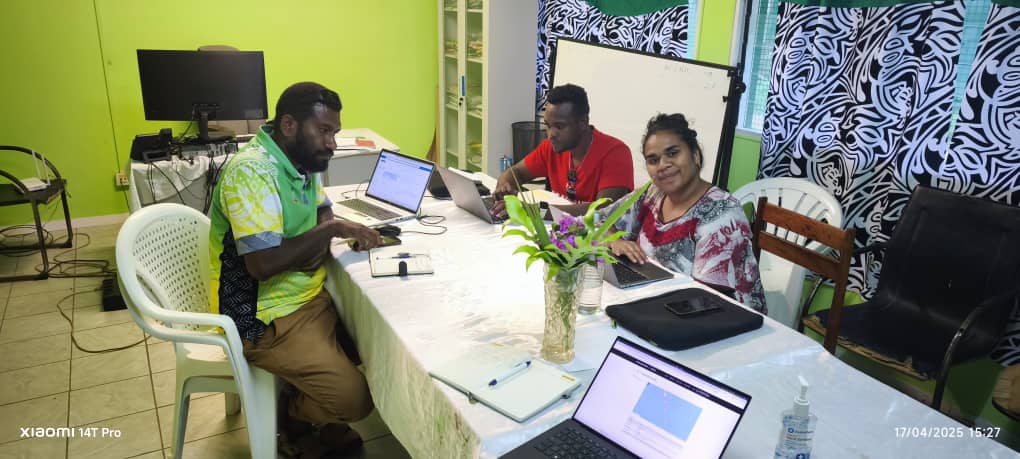
The international and multidisciplinary symposium dedicated to food and tourism in Oceania, jointly organised by the Pacific Campus for Hospitality and Catering Professions and Qualifications (CMQP), the Centre for Tourism Studies in Oceania-Pacific (CETOP), the Centre for Island Health Studies (CESMI) and the Centre for Island Governance and Development (GDI), in partnership with the University of French Polynesia (UPF), was held in Tahiti from 25 to 27 November 2025. This event was devoted to the issues of food sovereignty, tourism and catering.
Oceania has an exceptional wealth of food beneficial to health, but it also depends on food products importations, some of which are transformed, leading to diseases such as diabetes and obesity.
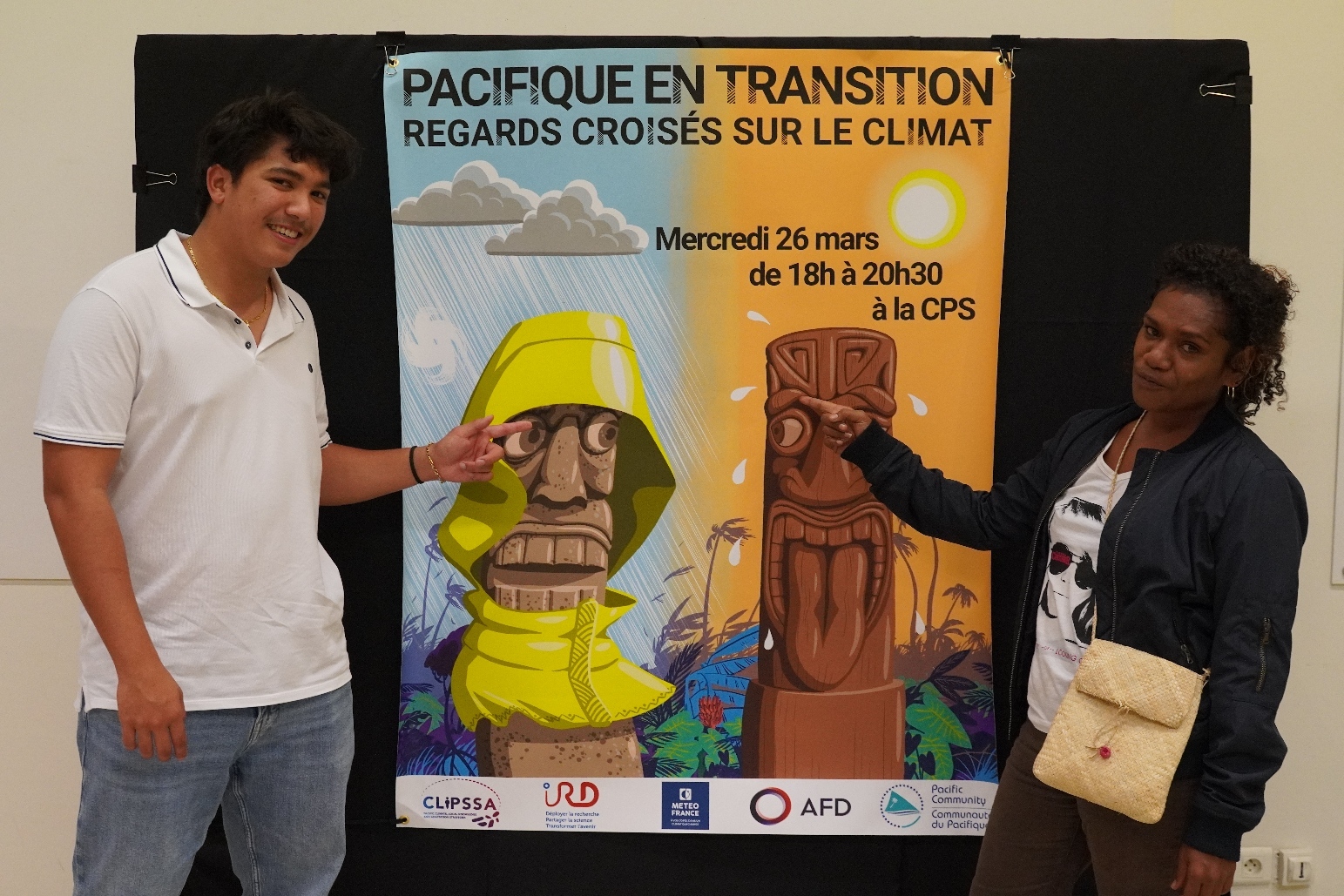
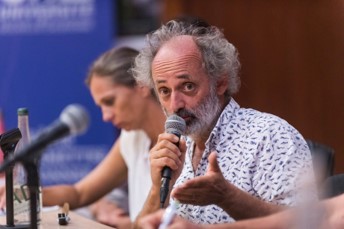
This symposium was part of a scientific, heritage and tourism initiative. As the promotion of local knowledge is one of the pillars of the CLIPSSA research action project, two members of the team, Fleur VALLET and Maya LECLERCQ, participated in this symposium in Papeete.
The Clim’en vers and Clim’à table projects, or the science of mediation
After presenting the main components of the project, the partners and the territories involved in CLIPSSA, Fleur introduced the audience to the Clim’en vers and Clim’à table projects. The focus was on the Clim’à table project, in line with the theme of the 2025 conference.
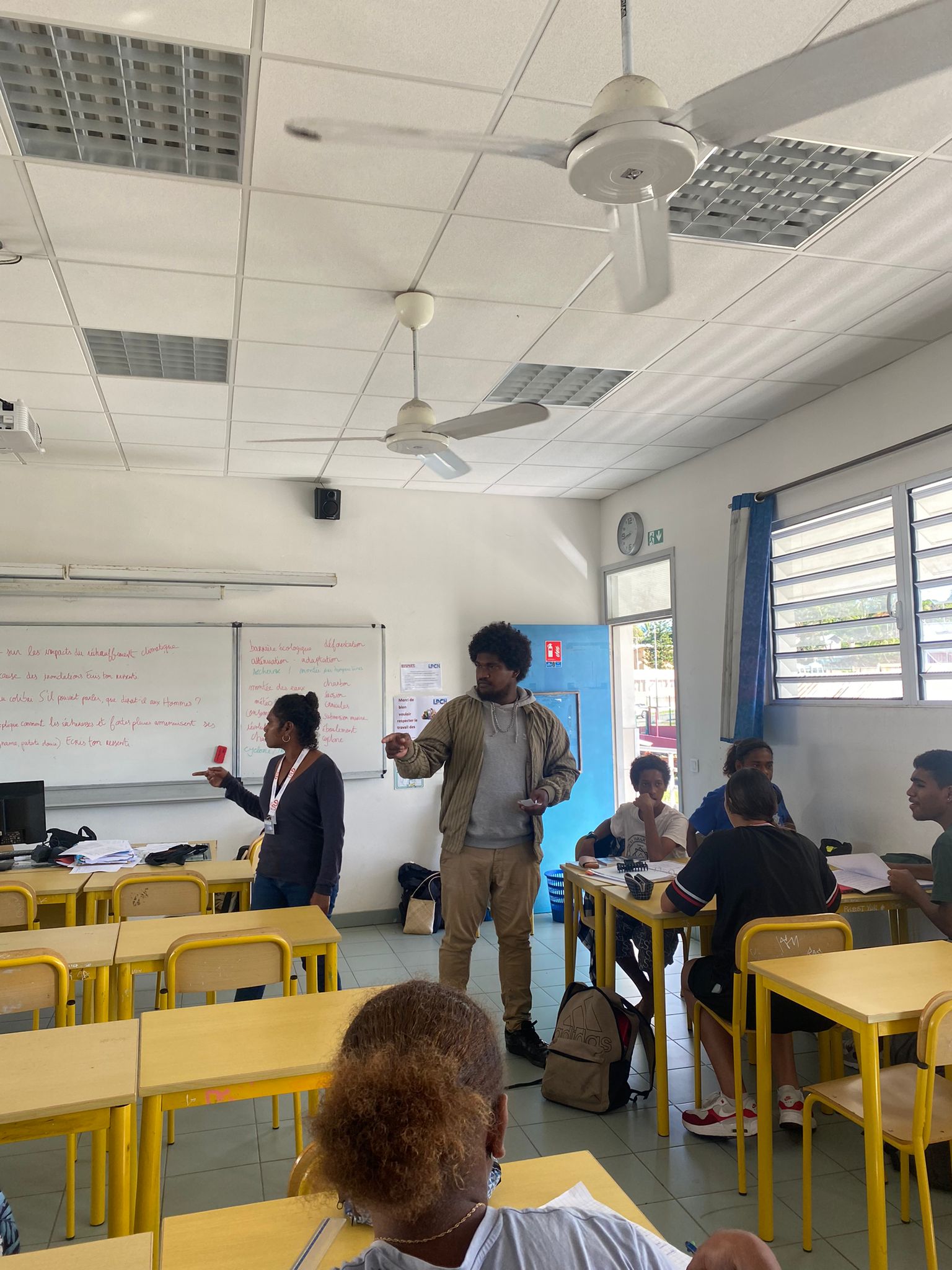
These initiatives have demonstrated the existence of different vectors for raising awareness of scientific mediation, which open up further options for popularisation (slam, gastronomy).
They show that popularisation is not just a matter of simplifying content, but above all, it is about reinventing language. Slam, gastronomy, food, tourism and other cultural forms are powerful cognitive and emotional vectors. They mobilise attention, identification and engagement, three essential conditions for knowledge circulation.
This also demonstrates that understanding a concept and using specific or proposed intermediate means is a way of responding to and resisting the increasingly pressing climate challenges, as the example of a faaapu shows us. The Clim’a table project and faaapu lay the foundations for a question: How can tomorrow’s food be a factor in resilience, development, innovation and adaptation in the face of climate change?
Faaapu: Resistance through subsistence.
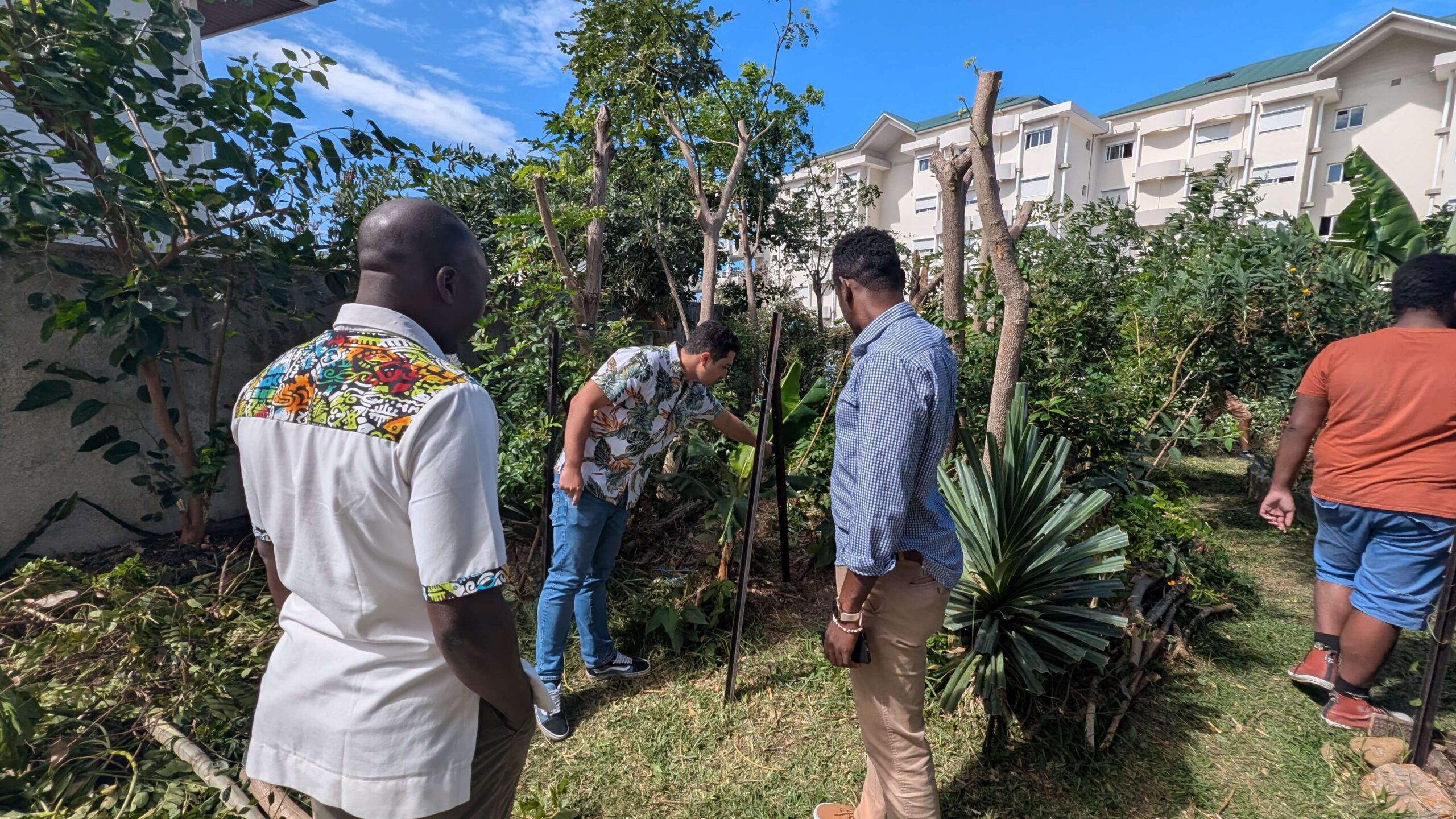
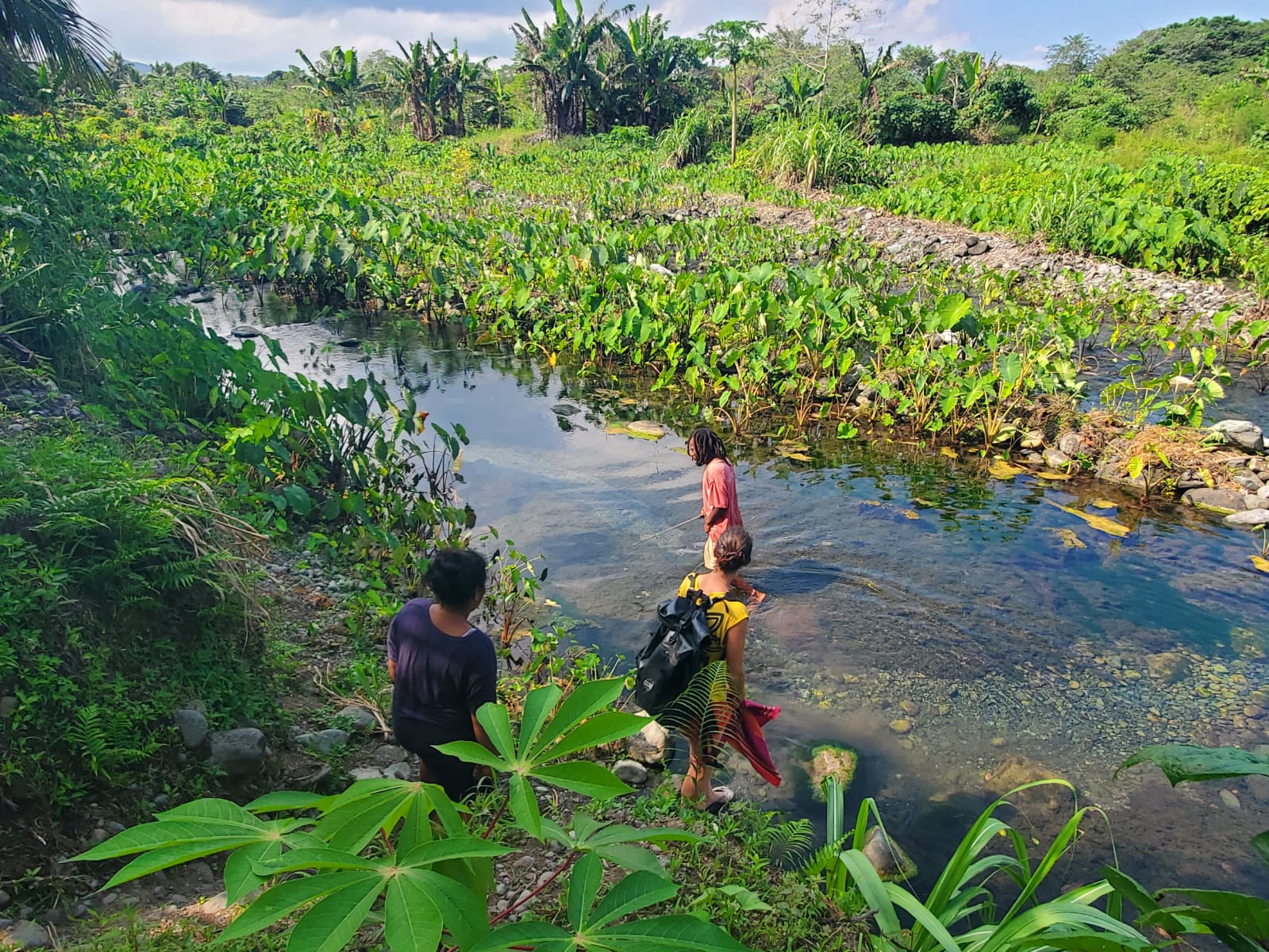
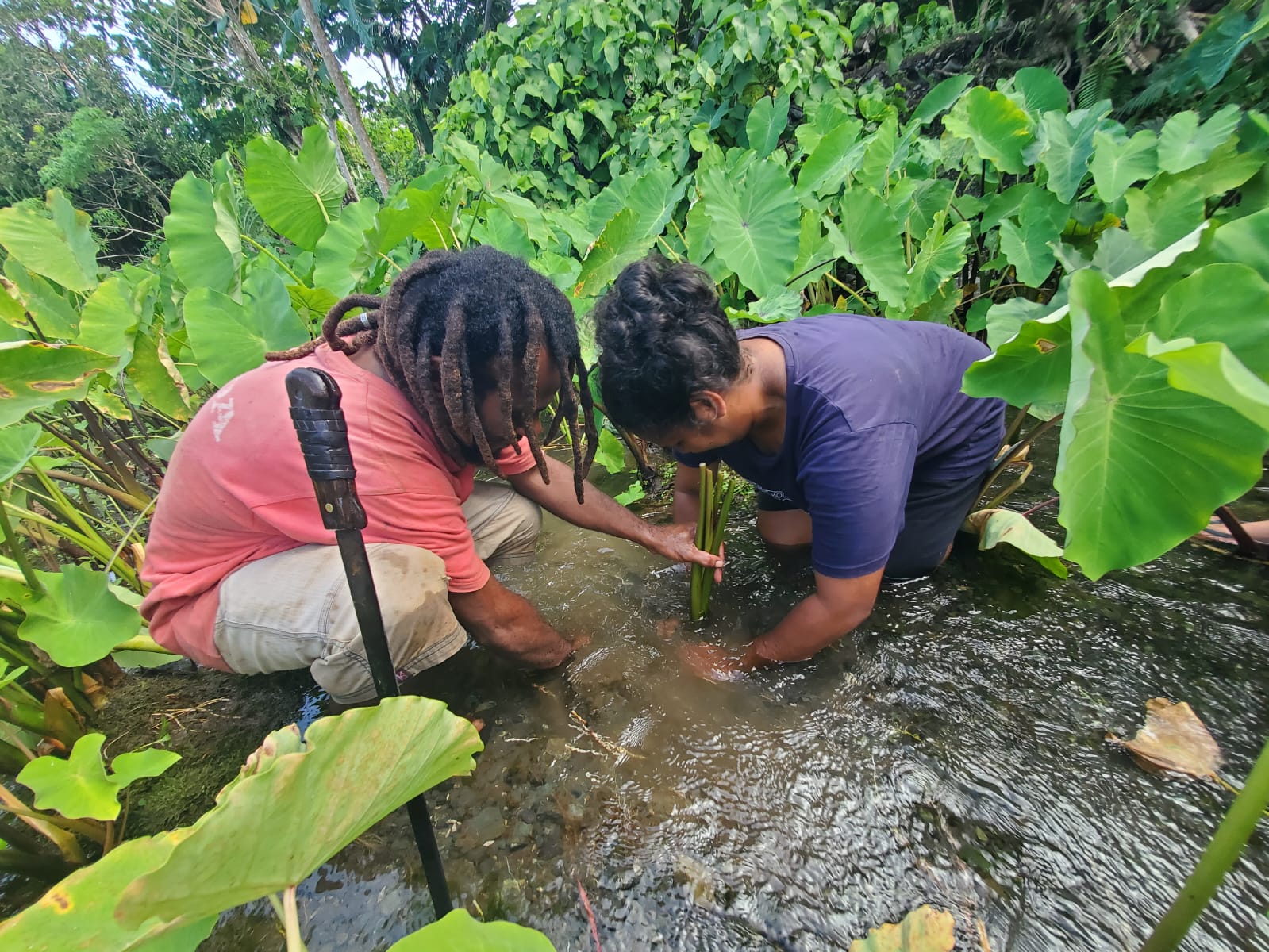
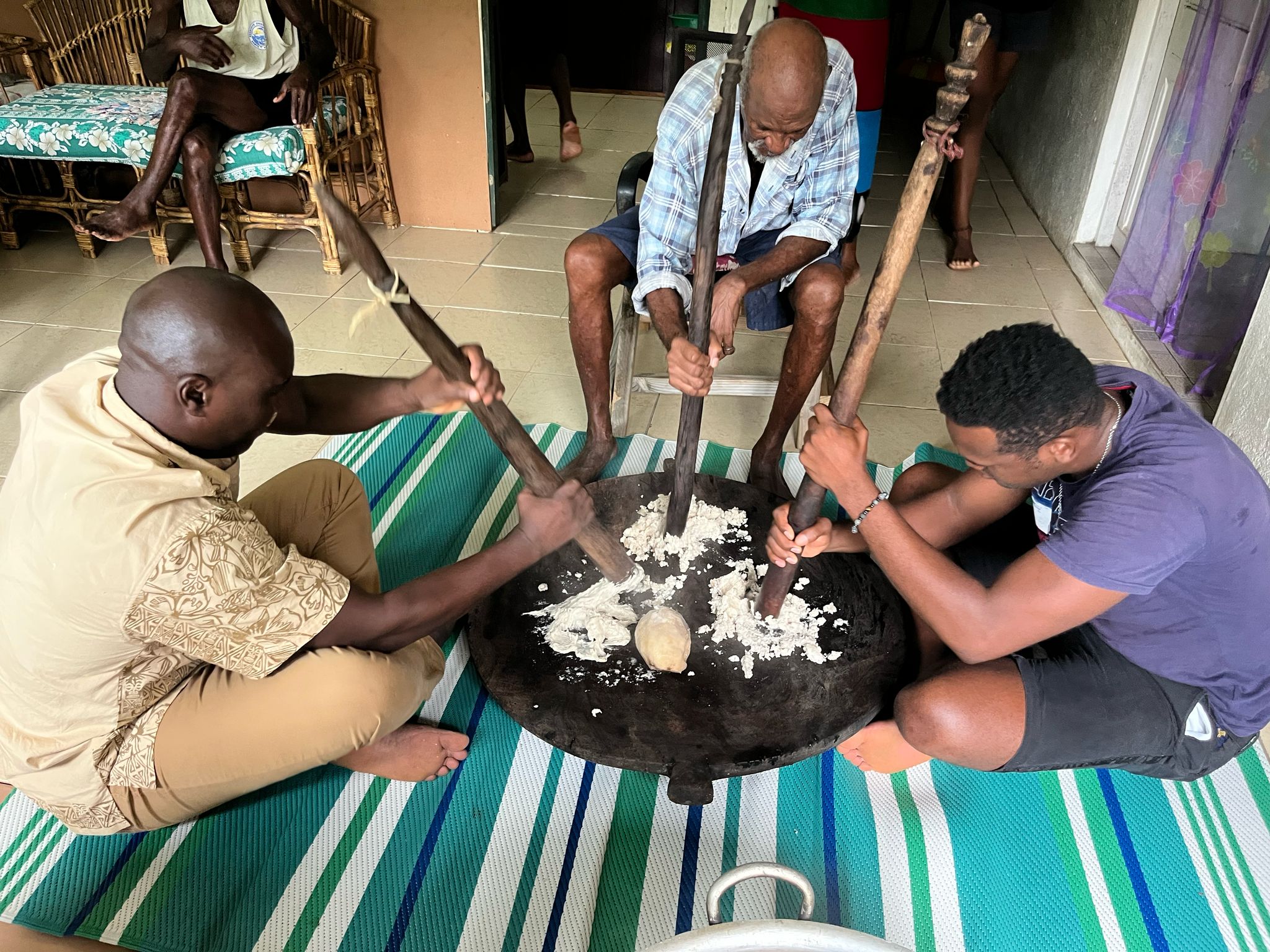
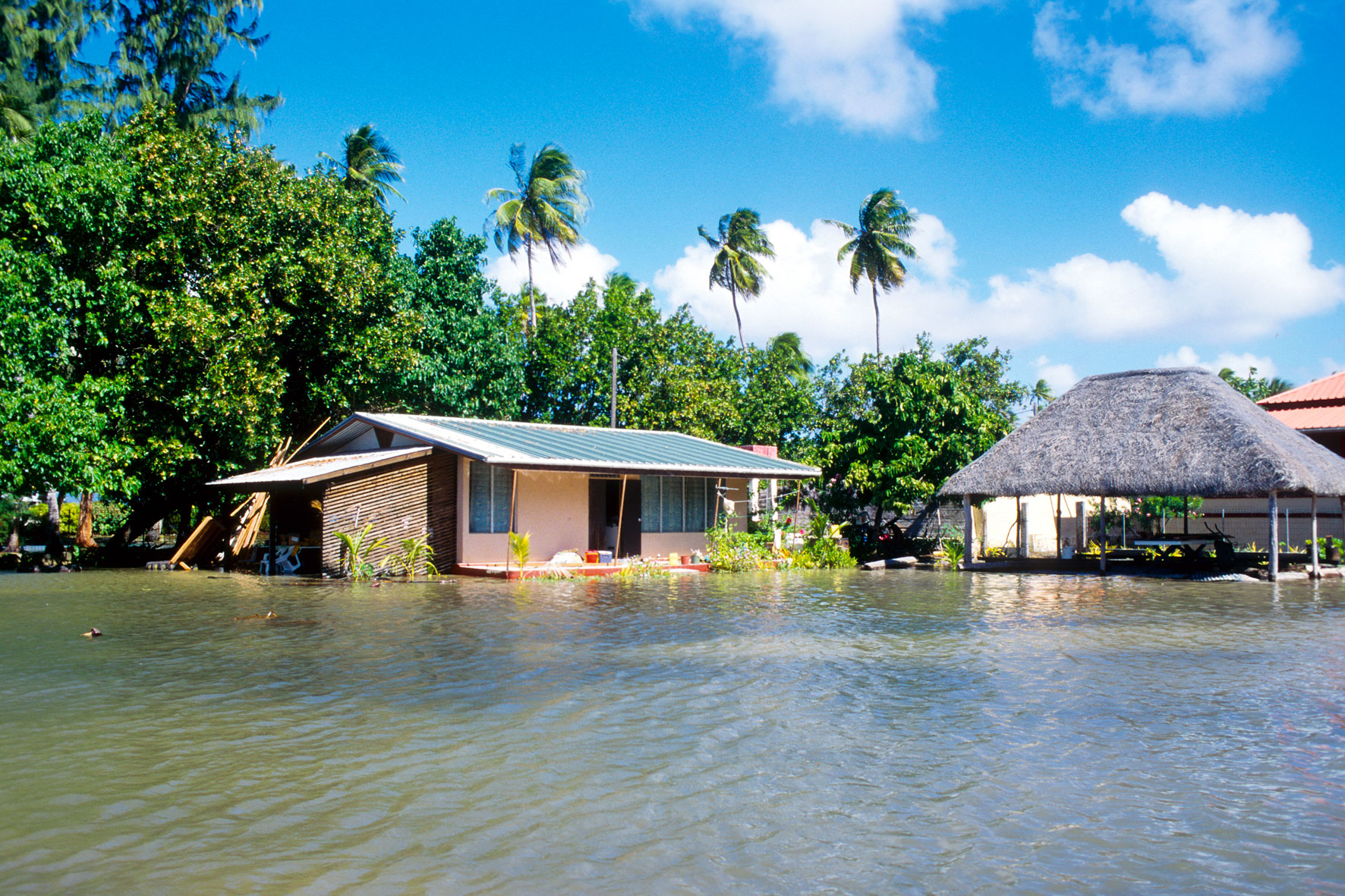
Vegetable gardens are called ‘faaapu’ in Tahiti and Moorea, and refer to a form of domestic agriculture. Faaapu generally occupy small plots of land, often close to homes, and their primary function is to reduce food expenses, promote healthy eating and increase self-sufficiency. This method of gardening generally does not use pesticides, and there are different ways in which knowledge is passed on between residents who cultivate their faapu. They are also laboratories for experimentation and hybridisation between knowledge and their environment, as most Oceanian people feel and experience it. Growing food and feeding oneself, despite climatic and economic uncertainties, is a way of resisting, of sustaining oneself over time and therefore of existing.
Beyond the social, spiritual and economic dimensions of agriculture and fishing, food security is one of the foundations on which Oceanian culture is based. People farm and fish primarily to eat. Faaapu are therefore a pillar of local autonomy. They promote healthy eating, the transmission of traditional knowledge and experimentation with practices adapted to the current environment. In the face of climate change, these spaces are becoming places of innovation where ancestral knowledge is evolving. Food security thus appears to be a central factor in cultural continuity and mediation between traditions, adaptation and transmission. They are being reinterpreted and enriched in the face of a new parameter: the climate challenge. For the peoples of Oceania, to live is to resist..
Find our team’s presentations here.