When Knowledge Comes Together to Shape the Agriculture of Tomorrow

Screening of the documentary The Marriage of Knowledge followed by a panel discussion on the adaptation of Oceanian agriculture to climate change.

©Fabrice CHARLEUX

On Friday, 26 June 2026, Te Fare Iamanaha – Museum of Tahiti and the Islands hosted a public evening event organised as part of the Oceanian Conference of the CLIPSSA project. Conceived as a forum for dialogue between researchers, farmers, institutional representatives and citizens, the event brought together more than one hundred participants around a common question: How can we build more resilient agricultural systems in the face of climate change?

Structured around the screening of the documentary The Marriage of Knowledge, followed by a panel discussion, the evening illustrated one of the core principles underpinning the CLIPSSA project: effective responses to climate challenges are built through the combination of scientific knowledge and the local knowledge developed by the communities of the South Pacific.

A Documentary Chronicling Five Years of Collaborative Research

©Fabrice CHARLEUX

Directed by Jean-Michel Boré, IRD filmmaker, and co-produced by IRD and the French Development Agency (AFD), The Marriage of Knowledge retraces the scientific and human journey of the CLIPSSA project through the voices of researchers, farmers and residents of the territories involved in the project. Screened in French with Tahitian subtitles with an English audio transcript, the documentary highlights the richness of the exchanges between scientific research and local knowledge that shaped the project throughout its five years.

A Panel Discussion Bringing Perspectives into Dialogue


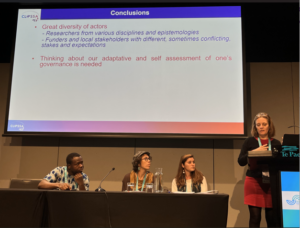
©Fleur VALLET et Maya LECLERCQ

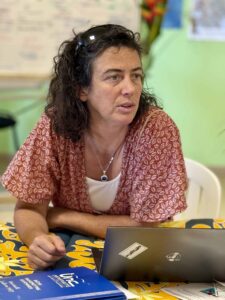
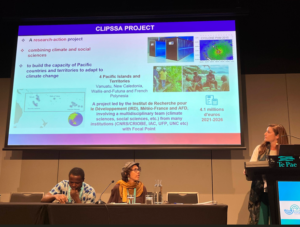
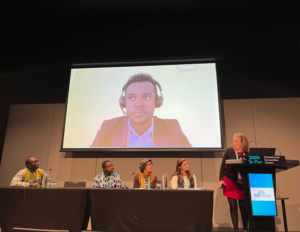
Moderated by IRD socio-anthropologist Maya Leclercq, the panel discussion brought together researchers, institutional representatives and agricultural-sector stakeholders from several South Pacific territories.

The discussion combined CLIPSSA’s scientific findings with participants’ lived experiences in the field, fostering helping build a shared understanding of the challenges ahead. One central message clearly emerged: adapting agricultural systems will only be possible by bringing together scientific knowledge and the local knowledge held by communities.
The discussion focused on several major themes:

  • Transmission of local agricultural knowledge;
  • Impacts of climate change already being observed across the territories;
  • Limitations of imported agricultural models;
  • Governance challenges;
  • Role of research in supporting public decision-making.

Local Knowledge as the Foundation for Adaptation

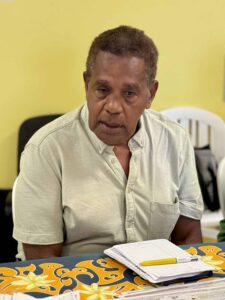
One of the evening’s key messages was that the territories of Oceania already possess a remarkable body of environmental knowledge. Alex Dahi, Climate Officer for North Province, New Caledonia, emphasised that traditional agricultural systems are the result of generations of observation, experimentation and adaptation. This continuous transmission of knowledge has enabled communities to develop farming practices closely adapted to local environmental conditions and now represents an essential resource for addressing the challenges posed by climate change.

One of CLIPSSA’s objectives is precisely to document this local knowledge in order to better understand how it can inform public policies and territorial adaptation strategies. Building on this idea, Maya Leclercq explained that the project’s ambition is to scale up these local experiences. Rather than remaining isolated examples, they can provide lessons capable of informing broader territorial adaptation strategies and supporting decision-making across the South Pacific.

Observing Climate Change on the Ground

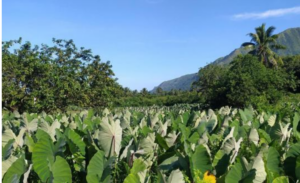
The testimonies shared by the farmers served as a reminder that the impacts of climate change are no longer confined to scientific projections. They are already being experienced in the field. On Moorea island, Naumi Tapi described the changes observed in the taro fields of Maison Kellum. She spoke of the growing challenges posed by increasingly intense heat, shifting rainfall patterns, the difficulty of working outdoors during the hottest hours of the day, and the ongoing struggle against soil erosion.

Her testimony illustrated how agricultural adaptation begins with the day-to-day observation of environmental change. Jason Temaui-Man, President of the Te Motu Association, expanded on this discussion by questioning the relevance of imported agricultural models. In his view, tropical food crops such as taro, cassava and Kanak cabbage are particularly well suited to local environmental conditions and should play a central role in future adaptation strategies. He also warned that some Pacific islands could eventually reach a “habitability threshold”, further reinforcing the urgency of adapting agricultural systems today rather than waiting for future crises.

When Research Informs Action

CLIPSSA’s scientific findings provide a deeper understanding of these observations made in the field. Among the results presented, Dakéga Ragatoa highlighted research on the impacts of increasing temperatures on agricultural activities. Climate simulations indicate that rising temperatures could progressively reduce crop yields, with direct consequences for farmers’ incomes and regional food security.

He also emphasised that practices such as agroforestry and mulching already offer promising adaptation options for reducing the impacts of extreme heat on crops. The discussion clearly demonstrated the complementarity between farmers’ observations and scientific research. Field experience makes it possible to identify the transformations already underway, while scientific evidence provides the tools needed to anticipate future changes and support informed public decision-making.

Adapting with and for Society

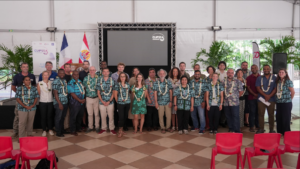
The Science-Management Days, held on 23 and 24 June, marked the closing week of the CLIPSSA project. Hosted at the Presidency of French Polynesia in Papeete, the event brought together public authorities, researchers and representatives of civil society to explore how the findings of this research-action project can help anticipate climate-related risks.

©Fabrice Charleux

CLIPSSA: Understanding the Climate to Anticipate the Future

“The significance of this achievement is immense because, in the Pacific, science is not simply an added benefit or an optional source of expertise.” Moetai Brotherson, President of French Polynesia
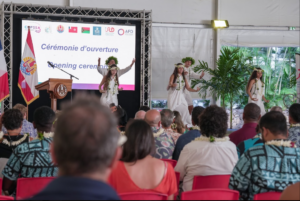
 ©Fabrice Charleux

Thanks to the invitation and co-organisation of the Government of French Polynesia, IRD, Météo-France and the French Development Agency (AFD) welcomed the CLIPSSA project focal points from across the four territories involved in the project. Participants included representatives from the Directorate of Agriculture of French Polynesia; the Department of Agriculture, Forestry and Fisheries and the Department of the Environment of Wallis and Futuna; the Vanuatu Meteorology and Geo-Hazards Department (VMGD); as well as representatives from the Government of New Caledonia, North Province, South Province, Technopole Nouvelle-Calédonie and the Bio eKo Consultants consultancy. Together, they took part in the closing week of the CLIPSSA project.

Diverse Discussions on Climate Change Adaptation

“CLIPSSA was built upon a strong conviction: responding to climate challenges requires bringing together disciplines and different forms of knowledge.” Mélanie Roué, IRD Representative in French Polynesia

Held on 23 and 24 June, the Science-Management Days helped bridge the gap between scientific knowledge and public action at the Presidency of French Polynesia. Opened in the presence of President Moetai Brotherson and members of his government, the event enabled the CLIPSSA scientific team to work alongside government departments and public services from the territories under study in identifying possible adaptation pathways for the near future, drawing on the project’s scientific findings. This work took place through a series of creative workshops designed and facilitated in close collaboration with the teams from the Directorate of Technology and Innovation (DTI) of the Government of French Polynesia. These Science-Management Days were built directly upon the intermediate conference held in Nouméa in March 2025, which established a genuine space for dialogue between researchers, public authorities and territorial stakeholders. The objective of both events has been to foster the uptake of CLIPSSA’s scientific findings while supporting the co-development of adaptation strategies capable of responding to the expectations and needs of local communities.

Moetai Brotherson and Mélanie Roué ©Fabrice Charleux

A total of 107 participants attended the two-day event, including the scientific teams and the DTI facilitators. Participants represented government departments, project partners—including Météo-France and AFD—local authorities, non-governmental organisations, the agricultural sector and the four territories involved in the CLIPSSA project. One of the main challenges of the event was to address the distinct expectations of the different stakeholder groups. Researchers, public authorities and civil society did not seek the same types of information nor pursue the same objectives.

To respond to these different needs, the workshops were designed around three complementary questions:

  • How can the usefulness and potential applications of scientific data be identified?
    For researchers
  • How can scientific evidence be integrated into public policies and adaptation plans? For public authorities and decision-makers
  • How can future climate conditions, together with the strengths and vulnerabilities of the territories, be better understood in order to prepare for future challenges?
    For civil society
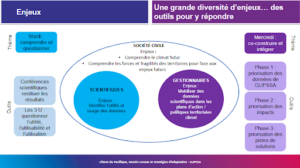
©Maya Leclercq

Understanding and Taking Ownership of the Results

“Having access to these climate data is invaluable for guiding our experimental work and for better characterising how our crop varieties will respond to climate change.”

Sébastien Blanc, Head of the Tropical Root Crops Centre, Technopole Nouvelle-Calédonie

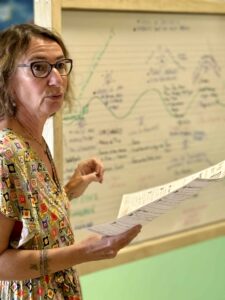
The first workshop, entitled ‘Understanding, Questioning and Taking Ownership’, focused on presenting CLIPSSA’s main scientific findings. The second, “Co-designing and Integrating”, held on Wednesday morning, aimed to support participants in collectively reflecting on how these scientific findings could be incorporated  into territorial adaptation planning. 
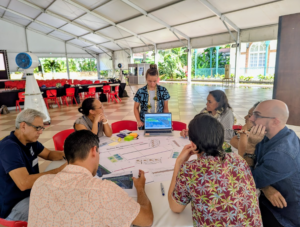
©Fleur Vallet 

During the afternoon, participants took part in a series of mini-conferences organised around five key themes:

  • Temperature projections
  • Tropical cyclones
  • Precipitation
  • Agricultural impacts
  • Local knowledge

Working in small groups, participants rotated between the different scientific teams. Each session combined a concise presentation of the research findings, a discussion with the researcher leading the session, and a collective reflection structured around the three ‘Us’: Utility, Usability and Use

  • Utility – How useful are these findings?
  • Usability – Can they realistically be used by stakeholders?
  • Use – How can they be translated into concrete action?

This format enabled every participant to attend each thematic presentation while encouraging direct dialogue with the researchers. The summaries produced at the end of each workshop now constitute valuable working material for identifying which scientific findings are considered most relevant by the various stakeholders, as well as the conditions needed to effectively integrate them into public decision-making.

Integrating Knowledge and Taking Action

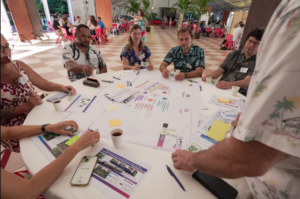
“How can these scientific findings be incorporated into public adaptation policies?” Fleur Vallet, Geographer and CLIPSSA Project Coordinator, IRD
 ©Fabrice Charleux

On Wednesday morning, the programme continued with a workshop sequence dedicated to integration. Building upon the scientific findings presented the previous day, participants were invited to identify the information they considered most relevant, assess its potential implications for their territories, compare these findings with the climate plans available to them, and finally develop a series of possible adaptation measures.

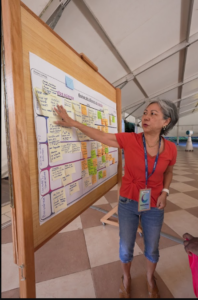
The morning concluded with a gallery walk, during which participants visited each group’s work to discuss the proposed ideas, followed by a Samoan Circle. This facilitation method created an open and inclusive space for participants to share their experiences, encouraging both active listening and collective dialogue. The objective was not to produce immediate operational solutions. Rather, the workshops were designed to initiate a collective learning process, enabling participants to experiment with a working method grounded in the integration of scientific evidence into territorial planning and climate adaptation processes.

On Wednesday afternoon, the momentum generated during the Science-Management Days continued with a workshop dedicated to strengthening the adaptation component of the French Polynesia Climate Plan (PCPF). The workshop was organised by the consultancy K Ora as part of its project management support to the Department of the Environment (DIREN).

Building directly upon the work carried out within CLIPSSA, the workshop aimed to take the process one step further. Whereas the previous sessions had enabled participants to understand and take ownership of the climate data and to identify priority climate impacts, this workshop focused on comparing these findings with existing public policies in French Polynesia. Participants assessed whether the adaptation measures already included in the Climate Plan were sufficient and explored opportunities to strengthen them by drawing inspiration from adaptation initiatives implemented in comparable island contexts.

The workshop brought together representatives from several government departments around an island archetype approach, distinguishing between high islands with barrier reefs, the Tuamotu atolls and urban centres. This approach encouraged participants to move beyond sector-specific perspectives and begin designing adaptation strategies from an integrated, cross-sectoral perspective.

Planning for the Future Rather Than Enduring It

“We all come from island states and face common challenges arising from the impacts of climate change and extreme weather events on our ways of life.” 

Antfalo Levu Boaz, Director of the Vanuatu Meteorology and Geo-Hazards Department (VMGD)

Participants’ feedback highlighted a strong appreciation for the workshop format. The mini-conferences encouraged direct exchanges between researchers and participants, while the presence of facilitators fostered active participation from audiences with diverse backgrounds and areas of expertise.

The presentations dedicated to Climate Science, Social Sciences and Humanities (SSH) and Agricultural Impact Modelling generated particularly rich discussions, reflecting the strong interest shown in these three complementary components of the CLIPSSA project.

The workshops held on Wednesday morning further confirmed this positive dynamic. The scientific resources made available throughout the event were widely used by participants, and the working groups rapidly embraced the proposed methodology, establishing numerous connections between CLIPSSA’s scientific findings and the strategic priorities already identified within their respective territorial climate plans.

These two days demonstrated that sustained dialogue between researchers, public authorities and civil society can lead to concrete outcomes that are both scientifically robust and closely aligned with the needs of local communities.

If this collaborative dynamic continues through the long-term uptake of CLIPSSA’s scientific findings by public authorities, the project has the potential to support the development of adaptation strategies capable of guiding public action to safeguard Oceanian ways of life in the decades ahead.

For those wishing to relive the event, a highlights video is available on the CLIPSSA website and on the IRD YouTube channel. The full programme of the Science-Management Days, together with the presentations delivered on Tuesday 23 June, is also available online.


CLIPSSA:What Have We Learned?

After five years of research on the future climate of the South Pacific, the CLIPSSA research-action project has unveiled its findings at the University of French Polynesia. On 22 June, the research team presented to the scientific community its latest advances in understanding climate change across the island territories of the South Pacific (French Polynesia, Wallis and Futuna, Vanuatu and New Caledonia). Alongside the CLIPSSA team, researchers from other UPF research units also shared their expertise and findings on topics closely related to those explored within the project.

Bringing Results Back to the Territories Under Study

The CLIPSSA scientific team had the honour of being invited by the University of French Polynesia (UPF) to present the project’s scientific results. This invitation highlights the strong collaboration established between the scientific team, the RESIPOL network, and the researchers from the laboratories involved in CLIPSSA (GEPASUD and CRIOBE).

Held in the Research Auditorium of the University of French Polynesia, the event brought together scientists working across a wide range of disciplines. Presentations covered atmospheric modelling, legal approaches to climate issues, marine heatwaves, and the contribution of artificial intelligence to ocean modelling, illustrating the multidisciplinary nature of the research.

©Fabrice CHARLEUX

The aim of the day was twofold: to share the knowledge generated by the CLIPSSA project with the scientific community and to prepare the dissemination of the project’s results during the forthcoming Science-Management Days, bringing together stakeholders from the four territories studied: New Caledonia, Vanuatu, Wallis and Futuna, and French Polynesia.

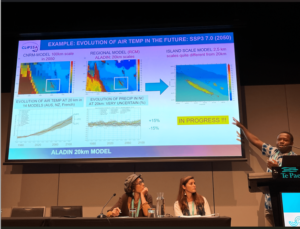
For the Climate Science component, the results included the downscaling of the IPCC climate projections from an initial spatial resolution of approximately 100 km to 20 km, and even 2.5 km for selected areas. This significant increase in resolution provides much more detailed information on future climate conditions across the Pacific islands.

For the Social Sciences and Humanities (SSH) component, the team presented the outcomes of more than three years of field research investigating the resilience of Oceanian agriculture to the already observable impacts of climate change. The originality of the SSH approach lies in understanding how farmers are already adapting to climate change and in co-developing future adaptation plans together with them, based on their knowledge, practices and experience. To assess the impacts of climate change on crop production, impact modelling studies were also carried out to identify the challenges that Oceanian agriculture is likely to face and to provide a robust scientific basis for the design of future adaptation strategies.

The Future Climate of the South Pacific

“Ihi-ā-Hīro’a” association ©Fabrice CHARLEUX

The conference week began at the University of French Polynesia with an ʻŌrero, the traditional Polynesian art of public oratory, performed by a student from the Ihi-ā-Hīro’a association. This ceremonial opening followed a cultural and musical performance by fellow members of the association, setting the tone for a scientific event deeply rooted in the cultural heritage of the Pacific.

The scientific presentations were followed by speeches from Mélanie Roué, IRD Representative in French Polynesia, Catherine Sabinot, coordinator of the CLIPSSA Social Sciences and Humanities (SSH) component, and Fleur Vallet, coordinator of the CLIPSSA project. They took the opportunity to thank all the partners whose support made this research-action project possible, including the focal points, technical assistance teams, and the many laboratories and institutions across the region that contributed to its success.

Mélanie ROUE ©Fabrice CHARLEUX

Jérémy Guerbette, coordinator of Météo-France’s SOCLE Outre-mer project, presented the results of the new climate projections produced at 20 km and 2.5 km spatial resolutions. These projections confirm previously identified trends, including rising temperatures and a decline in the number of tropical cyclones. Where CLIPSSA makes a significant contribution is in its ability to quantify these changes with greater precision.

Depending on the emissions scenario considered, average warming is projected to reach approximately 3°C in New Caledonia and around 2.3°C in both French Polynesia and Wallis and Futuna by the end of the century. Regarding tropical cyclones, all four climate simulations indicate a projected decrease ranging between 30% and 50%.

Jérémy GUERBETTE ©Fabrice CHARLEUX

Another trend highlighted by the project is likely to make living conditions across the South Pacific archipelagos increasingly challenging: the rise in the number of very hot days, defined as days when maximum temperatures exceed 32°C. Although all territories are expected to experience an increase in such events, the intensity of this change will vary geographically. Leeward coastal areas and mountainous regions are projected to be particularly affected by prolonged periods of extreme heat.

Despite these advances, uncertainty remains regarding future rainfall patterns. Climate simulations reveal a high level of natural variability, preventing the identification of a robust long-term trend by the end of the century. At this stage, the different climate models therefore do not provide conclusive evidence of consistent changes in precipitation regimes across the territories under study.

The AROME regional climate simulations were then presented in greater detail by Amarys Casnin for French Polynesia and Hong-Hanh Le for New Caledonia and Vanuatu. Their presentations focused in particular on the bias-correction methodology applied to calibrate the climate models before producing the final projections. This crucial step substantially improved the reliability and accuracy of the simulations, making it possible to generate high-resolution projections of future climate conditions across the coming decades.

Hong-Hanh LE, ©Fabrice CHARLEUX

Building Adaptation With and for Local Communities

Samson JEAN-MARIE and Catherine SABINOT ©Fabrice CHARLEUX

Catherine Sabinot presented the findings of three and a half years of field research conducted across the four territories included in the CLIPSSA project, alongside Ida Palerne, agronomist specialising in local knowledge in Vanuatu, and Samson Jean-Marie, PhD candidate in anthropology and geography focusing on local knowledge in New Caledonia and Vanuatu. Their research examined how local agricultural knowledge is created, shared and continuously renewed, with the objective of integrating this knowledge into the adaptation strategies currently being developed by public authorities.

The findings are based on a combination of field observations, participant observation, semi-structured interviews, and participatory workshops conducted with farmers across the study sites, as well as with local residents, territorial, provincial and municipal technical officers, and customary authorities. One of the project’s key findings is that local communities possess what researchers describe as a “risk culture”: a body of agricultural knowledge and practices developed over generations that enables farmers to cope with climatic hazards. This body of knowledge has been shaped through repeated experience of extreme events and continues to evolve in response to ongoing environmental change.

Rather than remaining static, this risk culture is constantly adapting. New knowledge continues to emerge, while the places and contexts in which it is transmitted are themselves evolving as communities respond to increasingly frequent and intense climatic hazards. Local agricultural knowledge draws upon a wide range of complementary sources. Practical experience acquired through farming, customary and cultural knowledge, technical and formal education, as well as information shared through the media and social networks, all contribute to the continuous evolution of agricultural practices.

The transmission of this risk culture occurs across a wide diversity of “knowledge spaces and moments”—that is, the different settings in which knowledge is exchanged. These spaces vary according to their degree of formalisation and the extent to which they are collective. Some are formal settings, such as agricultural training sessions or technical meetings. Others are far more informal, with knowledge being shared within families, during journeys by car, in local markets or directly in the fields while working together.

Several factors either facilitate or constrain these processes of knowledge exchange. Among the most influential are the social organisation of communities and the material resources available to them. Shared experiences of climatic hazards, collective memories of past events, and the experience of facing similar challenges together also play a central role in strengthening knowledge transmission. Finally, the cultural significance attached to particular crop species or cultivated landscapes strongly influences how knowledge circulates. Depending on the local context, these cultural dimensions may either facilitate the dissemination of agricultural knowledge or constitute barriers to its transmission.

One of CLIPSSA’s major contributions has been the development of a comprehensive database documenting local agricultural knowledge and practices. By bringing together all of the information collected during fieldwork, this database provides an unprecedented resource for understanding the adaptive capacities of Oceanian farmers. The knowledge generated through this research offers public authorities valuable evidence for designing future adaptation strategies, thereby helping to strengthen the long-term resilience of agriculture across the South Pacific.

Farming in the South Pacific

Dakéga RAGATOA ©Fabrice CHARLEUX

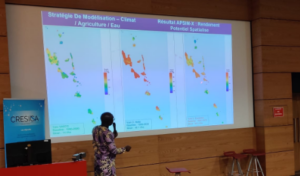
Dakéga Ragatoa, agro-climatologist and researcher specialising in modelling the impacts of climate change on major tropical root and tuber crops in Wallis and Futuna and French Polynesia, presented the results of his research, alongside those of Gildas Guidigan, agro-climatologist and researcher responsible for modelling the impacts of climate change on agriculture in New Caledonia and Vanuatu.

Their studies projected future yield trends for taro, yam and, depending on the territory, cassava. These crops were selected following a year-long consultation process with stakeholders from the territories involved in the project. Only a limited number of varieties were retained for the simulations, corresponding to the species that are most representative of the agricultural systems under study. They were identified through a combination of literature review and field surveys conducted as part of the CLIPSSA project.

The simulations were carried out using the APSIM-X crop modelling platform, which was used to assess future changes in agricultural yields under projected climate conditions. The model relies on datasets generated by the project’s different research components. Climate projections produced within the Climate Science work package provide the climatic inputs, while information on soil characteristics and farming practices comes from the Social Sciences and Humanities (SSH) research. These datasets are combined with crop-specific agronomic parameters for each of the species modelled.

The results indicate a future decline in yields for all the crop species studied across the four territories. However, both the magnitude and timing of these changes vary according to the territory and the crop considered. In Wallis and Futuna, the simulations project a gradual decline in the potential yields of all the crops studied. This downward trend becomes apparent from the middle of the century onwards and is accompanied by an increasing number of years characterised by poor harvests.

For Tahiti and Moorea (French Polynesia), projected yield reductions are particularly pronounced for taro, whereas the yam varieties included in the study appear to be considerably more resilient to future climatic conditions. In Vanuatu, the first simulations indicate a decline in taro yields by around 2050. However, these results are currently based solely on the 2.5 km AROME climate simulation, which limits the assessment of uncertainties. Confirming this trend will therefore require additional simulations incorporating multiple climate models. Despite these territorial differences, the simulations converge on several key findings. Across all territories studied, increasing temperatures emerge as the principal driver of declining agricultural productivity. The projections also indicate that the impacts become particularly pronounced from the 2040s onwards, identifying the period around 2040-2050 as a critical turning point for agricultural systems throughout the South Pacific.

Beyond quantifying future impacts, these studies also identify a range of practical adaptation pathways to support the development of territory-specific adaptation strategies for the coming decades. These include the selection of crop varieties that are more tolerant of higher temperatures, adjustments to planting calendars, diversification of agricultural production, the development of agroforestry systems, and, where local conditions become less favourable, the relocation of certain crops. Many of these adaptation measures have already demonstrated their effectiveness in the past. As documented by the Social Sciences and Humanities research team, they are rooted in existing local agricultural knowledge and therefore provide valuable foundations upon which future adaptation strategies can be built.

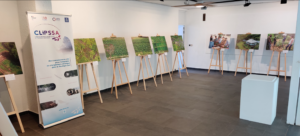
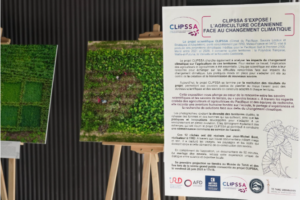
Alongside the scientific presentations, a photographic exhibition based on the work of IRD filmmaker Jean-Michel Boré, previously displayed at the Te Fare Iamanaha – Museum of Tahiti and the Islands, was installed at the University of French Polynesia. Over the four-day event, participants and students were able to visit the exhibition in the university’s research building, extending CLIPSSA’s presence beyond the conference itself while showcasing the territories and communities that lie at the heart of the project.

©Fabrice CHARLEUX

©Fleur VALLET

CLIPSSA on Display! A Photographic Exhibition

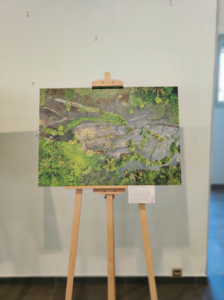
The photographic exhibition created from Jean-Michel Boré’s documentary The Marriage of Knowledge was presented at Te Fare Iamanaha – Museum of Tahiti and the Islands from 16 to 20 June, and at the University of French Polynesia from 22 to 25 June 2026. Through a series of photographs, the exhibition highlighted both the transformation of South Pacific ecosystems and the local knowledge held and developed by communities in response to increasing climate-related hazards. 

©Willis Waweru – Te Fare Iamanaha – Museum of Tahiti and the Islands

Images That Tell the Story of the Territories

©Willis Waweru – Te Fare Iamanaha – Museum of Tahiti and the Islands

As part of its closing activities, the CLIPSSA research-action project set out to create a photographic exhibition using images to highlight both the value of its research and the importance of preserving the territories at the heart of the project.

Twelve photographs depicting New Caledonia, Vanuatu, Wallis and Futuna, and French Polynesia were selected from the documentary work of IRD filmmaker Jean-Michel Boré. While producing The Marriage of Knowledge, Boré captured striking landscapes, personal testimonies and images of traditional techniques. Together, these images not only gave rise to a compelling documentary—available on the IRD YouTube channel—but also formed a powerful visual collection presented to the public during the CLIPSSA project’s closing week.

Bringing the Exhibition Closer to Its Audience

     ©Willis Waweru – Université de la Polynésie française

The CLIPSSA photographic exhibition was conceived as a parallel event to the project’s closing conference, with the aim of raising awareness among communities across the territories under study about the impacts of climate change.

To reach a broad audience, it was displayed at Te Fare Iamanaha – Museum of Tahiti and the Islands from 16 to 20 June, before moving to the Research Auditorium of the University of French Polynesia from 22 to 25 June.

Through this strong territorial presence, CLIPSSA reaffirmed its commitment to serving the communities living in the territories that form the focus of its research. The exhibition also reflects the project’s commitment to scientific accountability by by sharing research findings with the communities directly concerned.

Find the exhibition poster here

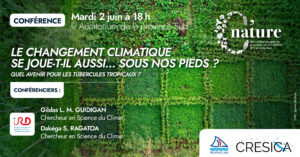
Is Climate Change Also Happening… Under Our Feet?

Traditional Pacific Crops Facing the Threat of Climate Change

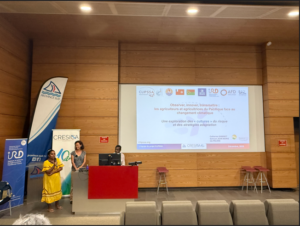
On June 2, 2026, the South Province of New Caledonia, in partnership with CRESICA, hosted a public conference as part of the C’Nature series dedicated to the impacts of climate change on island agriculture. On this occasion, two postdoctoral researchers in climate science from the CLIPSSA project, affiliated with the IRD (French National Research Institute for SustainableDevelopment), Gildas Guidigan and Dakéga Ragatoa, presented the major findings of the agronomic component of their work. Together, they provided answers to a question that seems simple on the surface, yet is central to food security in Pacific territories: what is the future of tropical root crops—taro, yam, and cassava—in the face of rising temperatures in Wallis and Futuna, French Polynesia, Vanuatu, and New Caledonia between now and the end of the century?

Why Focus on Tropical Root Crops?

Yam, taro, and cassava are not merely subsistence crops. The researchers, in consultation with the governments and provinces concerned, recalled their symbolic and social significance: They are symbols of tradition and identity, legacies passed down through generations, sources of food and solidarity, and markers of resilience and pride in Oceanian societies. Global warming and its direct consequences on subsistence farming thus pose a concrete question: how can we prepare for it, and through what means? The study focused on specific varieties, including Veo, Taloulu, Vegi ulu liliki or Vegi kau’i ti, Fiji taro, Kari, Florido, Taiwata, Maniota Ufi, and Manioka (Manihot esculenta).

Dakéga Ragatoa ©Willis Waweru

A Cascading Methodology: From Regional Climate to the Crop Field

To address this question, the team developed a multi-step modelling framework. Projections from the IPCC global climate model (resolution of approximately 100 to 200 km) were refined through regionalization using the ALADIN (~20 km) and AROME (~2.5 km) models developed under the CLIPSSA project, as well as additional debiased regional models from the SOCLE-OM project (NIWA from New Zealand, AUS-CORDEX from Australia).
These climate data then feed into the APSIM Next Gen (APSIM-X) agronomic model, which simulates daily plant growth. The selected varieties were modelled using the APSIM-Potato module. Data availability varies across territories: New Caledonia possesses relatively comprehensive climate, soil, and agronomic data, whereas for Vanuatu, French Polynesia, and Wallis and Futuna, only climate data were directly used, with other parameters extracted or estimated from scientific literature and existing technical sheets.

Scientific Modelling in the Service of Food Security

To anticipate potential yield declines, the scientific team cross-referenced climate models with the APSIM plant-growth simulation model to spatialize (after calibration and validation) projections at a very fine scale (2.5 km grid cells). This tool integrates soil characteristics, atmospheric parameters (temperature, rainfall, solar radiation), and agronomic data collected in the field, allowing researchers to simulate plant development from planting through to potential yield (biomass and water use).

Gildas Guidigan ©Willis Waweru


A Warning for Taro Varieties, but Greater Resilience in Yam: Contrasting Findings

The results presented outline a worrying trajectory for taro, which is particularly sensitive to heat stress, while yam emerges as a pillar of resilience (in comparison to taro):

Wallis and Futuna: Heat stress is already affecting crops. Under the SSP3- 7.0 scenario (equivalent to a +4°C increase in mainland France by 2100), local warming is estimated at +1.37°C by 2050 and +3.04°C by 2100 for the Alo and Hihifo sites. Simulations show a continuous decline in the average potential yield of all three crops—especially taro (talo ulu)—along with a sharp increase in poor harvest years by the end of the century. Heat stress emerges as the most decisive climate factor. Comparing the three crops, taro, cassava (manioka), and yam (vegi) all show slight declines in potential yield over time (taro losing the most), while cassava remains more stable—a finding that, according to researchers, calls for a reassessment of root-crop planning in the territory.

French Polynesia: simulations focused on three specific crops: taro (Veo variety, Colocasia esculenta), yam (Dioscorea alata), and cassava (Maniota Ufi variety, Manihot esculenta). Spatialized outputs project a drop in potential yields compared to current observations. The sensitivity analysis conducted with APSIM-X confirms this downward trend for both crops and, as in other territories, identifies heat stress as the primary climate factor driving this decline (researchers note that at this stage, only climate parameters are considered, excluding non-climatic socio-economic or agronomic factors). Taro will suffer an alarming drop of around 29% in its potential yield as early as 2050. Bad harvest years could increase by up to 60% by 2070. High-production areas in Tahiti and Moorea will shrink, and cassava could cross the critical threshold of 50% losses in the rainiest sectors.

Vanuatu: Fiji water taro will reach its thermal limits by the end of the century. Vanuatu faces the most concerning diagnosis of the presentation: Fiji taro, which is already experiencing significant heat stress, could lose up to 60% of its potential yield by 2100, with a marked acceleration in losses after 2050—with up to 46% of years classified as poor-yield years over the study period. Conversely, yam varieties (Dioscorea alata and Dioscorea esculenta) appear significantly more resilient, with losses limited to 5–19% depending on the models and varieties; Dioscorea esculenta is considered particularly reliable for future food security. Temperature, precipitation, and solar radiation all influence yields, with temperature remaining the dominant factor for taro. Researchers emphasize the need to prioritize the promotion of adapted yam varieties, farmer training, varietal diversification, adjusting planting dates, mulching, organic manure application, agroforestry, and establishing early warning systems, with special attention given to the northern islands of Vanuatu, identified as priority zones for adaptation investments.

New Caledonia: In New Caledonia, the picture is more nuanced. Taro (CTT75 Kari), already close to its optimal temperature, is expected to see its yields gradually decrease (between -21% and -32% by the end of the century), with a sharp increase in poor harvest years after 2080 and a possible shift of cultivation areas to cooler regions; low-altitude coastal areas, particularly on the East Coast and in the North, could become unviable after 2060. Yam, on the other hand, shows overall higher robustness: the CTT100 Florido variety is projected to remain virtually stable until 2100 (a loss of 2% to 7% depending on the model) and, according to researchers, represents the priority crop for food security. Meanwhile, CTT230 Tiawata shows a moderate decline but remains productive and viable throughout the century. Notably, solar radiation and precipitation influence yam yields more than temperature, whereas temperature remains the main constraint for taro. Researchers recommend immediately expanding the cultivation of CTT100, diversifying heat-tolerant taro varieties, adjusting planting calendars before the 2040s, and implementing an early warning system for yield anomalies.

Diversifying and Anticipating: Keys to Agricultural Adaptation

Faced with the projected increase in “bad harvest years”, IRD researchers emphasize the urgent need to adapt farming practices in Oceanian gardens. The future of food sovereignty in these territories will depend on strategic choices co-designed with producers:

1. Varietal Adaptation: Promote heat-resistant replacement crops (such as Florido yam) and encourage farmers to mix multiple varieties and species in their fields to identify those best suited to climate variations.

2. Technical Adjustments: Advance planting dates (with shifting seasons) by 3 to 6 weeks to avoid heat peaks, implement widespread mulching to retain soil moisture, and optimize organic manure application.

3. Agroforestry: A practice that already exists locally but provides substantial microclimate benefits.

Gildas Guidigan ©Willis Waweru

Shared Messages Across the Pacific

Beyond the specificities of each territory, several common takeaways emerge: across all studied sites, heat stress is the single most penalizing climate factor for root crop yields, particularly for taro. However, water availability must not be overlooked, as water sources are also drying up with global warming. Yam consistently stands out as the most resilient crop (in this study) to climate change, making it a primary adaptation strategy (alongside other heat-resistant species and varieties) to bolster food security across Pacific territories, while cassava and especially taro appear more vulnerable depending on the zone. Finally, researchers stress that resilience does not mean an absence of risk: even the most stable varieties require proactive adaptation practices (varietal selection, crop calendars, soil and water management) before losses accelerate—particularly around the 2050–2060 horizon, which several models identify as a tipping point.

Translating Research into Public Policy

This conference served as a vital reminder of the absolute necessity to translate scientific research into concrete public policies. Facing climate disruption occurring literally “under our feet”, combining data-derived technical solutions with the daily experience of farming communities will be essential to strengthening resilience across the Pacific. The event concluded with a Q&A session, followed by expressions of gratitude in several Pacific languages (Māuruuru, Tankiu tumas, Malo, Oleti)—reflecting the strongly regional character of the CLIPSSA project. CLIPSSA brings together climate scientists, anthropologists, agronomists, and local communities around a single shared challenge: preparing the Pacific’s subsistence agriculture today for the climate changes of tomorrow.

CLIPSSA Results’ Outreach in Vanuatu: Village Workshops and Conferences Held in Santo and Efate

Credit: @Jean-Michel BORE

Four years of groundbreaking interdisciplinary research have come to a close: By bringing together climate science and social science, the CLIPSSA project set out to rethink the future of agriculture alongside Ni-Vanuatu communities—proving that when science meets local knowledge, powerful solutions emerge.

The CLIPSSA project (2021–2026) is reaching the end of four years of unprecedented interdisciplinary research, and the results obtained in Vanuatu reveal a crucial finding: an interdisciplinary approach proves both beneficial and highly relevant.

From April 28 to May 7, workshops held in  Ipayato, Epao, and Mangaliliu villages, alongside several conferences in Santo and Efate, brought together climate projections, agricultural simulations, and local knowledge. At the centre of discussions were the future of agricultural production, climate risk management, and concrete adaptation practices already implemented by Ni-Vanuatu farmers. These meetings showed that a more resilient agriculture is built as much in scientific models as in gardens, village discussions, and shared experiences.

Catherine SABINOT, Samson JEAN MARIE, Gildas GUIDIGAN, Hong-Hanh LE, and Ida PALENE, researchers at IRD, travelled to Vanuatu from April 28 to May 7 to present CLIPSSA results to farmers in Ipayato (South Santo), Epao (East Efate), and Mangaliliu (West Efate). This period of exchange allowed the team to present key findings, share educational materials (posters, etc.), and finalize a collaborative body of work. In total, 300 people participated in these outreach sessions.

Credit: @French Embassy in Vanuatu

Outreach sessions were also held for the Vanuatu Agricultural Research and Technical Centre (VARTC) and the Vanuatu Meteorology and Geohazards Department (VMGD). Additionally, a lecture was given at the National University of Vanuatu on May 6, followed on May 7 by a meeting with the Ambassador of France in Port Vila to discuss these findings.

What Did CLIPSSA Produce in Terms of Climate Projections?

Global climate models are not fine-grained enough to account for the specific features of South Pacific islands. To accurately capture the unique characteristics of these islands, CLIPSSA utilizes high-resolution climate models in collaboration with Météo-France, including ALADIN (20 km resolution) and AROME (2.5 km resolution)—a process known as dynamic downscaling.

Average daily precipitation from 1990 to 2020.

By the end of the century, climate projections carried out under the SSP3-7.0 scenario outline a clear trend for Vanuatu: the country will continue to warm. The regional average temperature could increase by approximately +1.1 °C between 2036 and 2065, reaching nearly +2.6 °C between 2071 and 2100 (relative to a baseline reference period of 1991–2020).

While the overall long-term trend in annual rainfall remains uncertain, the findings indicate an increased risk of drought, including during the traditionally wet season (November to April). Heatwaves are also projected to become more frequent, averaging 4 to 6 days between 2036 and 2065, and up to 9 days between 2071 and 2100.

What Are the Results for Taro and Yam Crops?

Using the APSIM-NextGen crop simulation model (driven by climate and agronomic data specific to the region), researchers observed a significant drop in potential yield for taro production—particularly the Fiji variety, which is a water taro. Rising temperatures will act as a major constraint, causing yield instability of up to -60% by the end of the century. Furthermore, the recovery time for crops following a climate shock will increase from 1 to 4 years today up to 8 years by 2071.

Conversely, yam appears significantly more resilient, demonstrating high robustness:

  • Dioscorea alata (DA): Maintains stable yields and a fast recovery time (1 to 2 years) throughout the century.
  • Dioscorea esculenta (DE): Emerges as the most resilient variety, recording its highest yield gains (+42%) under the driest scenarios.

Vanuatu is thus facing a major shift in crop viability. As observed in field evaluations, the primary strength of local agricultural production lies in crop poly-culture (growing multiple crop species together).

Knowledge in Motion: Women, Local Roots, and Plural Spatio-temporal Scales

(Credit: @Ida PALENE / @Samson JEAN-MARIE)

The core originality of CLIPSSA relies on its collaborative approach: local populations are not mere beneficiaries, but active co-producers of knowledge. In Vanuatu, months of ethnographic field research mapped out the vitality and flow of traditional local knowledge. The diversity of local adaptation strategies and the ways they spread can directly inform public policy regarding spatial planning and land development in response to climate change.

©Samson JEAN-MARIE


C Nature Conference: Observe, innovate and share

Farmers in the Pacific confronting climate change

On 2 December 2025 at 6 p.m., the South Province auditorium hosted a C’Nature conference dedicated to agriculture and adaptation to climate change. On this occasion, researchers from the CLIPSSA project shared their various works:  Catherine Sabinot (anthropologist and ethnoecologist), Maya Leclercq (anthropologist and sociologist, via videoconference from French Polynesia), and Samson Jean-Marie (PhD student in anthropology and geography), as well as Ida Palene, a former intern who is now a civic service volunteer with CLIPSSA. Together, they discussed a key question:

How, particularly in South Pacific societies, do farmers observe climate change in their immediate environment? Do they experiment with concrete responses, and do they pass on knowledge and practices to better adapt to it?

In the Pacific islands, agriculture is practised in close harmony with the seasons, the soil, the winds, the rain… and extreme events. Knowing how to anticipate a very dry period, reorganise crops after heavy rains, or prepare for the approach of a cyclone is part of daily life for many families. At the heart of the discussions is a powerful idea: the communities of New Caledonia, Vanuatu, Wallis and Futuna, and French Polynesia have built, through experience, genuine ‘cultures of risk’. In other words, ways of observing, interpreting and acting that enable them to cope with climate uncertainty. The challenge today is to combine this knowledge and these practices with scientific knowledge in order to strengthen adaptation.


Recognising and identifying vulnerabilities in the face of a real climate threat

During the conference, researchers highlighted the transformations of weather and climate mechanisms driven by climate change, particularly the ENSO mechanism, which causes year-to-year fluctuations in rainfall and temperature. They explained how these changes affect agricultural crops, harvests, and water storage.

Dry seasons tend to be longer and more intense. They hinder crop growth, cause water stress, dry up water sources, and make the soil harder to cultivate. Conversely, severe flooding leads to plant diseases and destroys crops. In both cases, communities must adopt new water management strategies and prepare for shifts in agricultural yields. The climate emergency therefore raises pressing concerns about food security.


“The hardest part is water. The dry season lasts longer; the small creek there (…) just stones, stones (…) we have to choose which field to save.” Farmer from Canala, New Caledonia, January 2024


Hybridising knowledge: a tool and space for resilience

During the presentation and subsequent discussions, the CLIPSSA team described knowledge hybridisation as an active, living process. It can be defined as the combination of endogenous knowledge (inherited from ancestors, embedded in genealogy, and passed down through generations) and exogenous knowledge (from external sources such as NGOs, scientific research, social media, etc.). Over time and through climate events, farmers experiment with new practices and generate new forms of knowledge, shaped by their own experience and the various resources available to them.

Researchers described several practices and techniques observed in New Caledonia, Vanuatu, French Polynesia and Wallis and Futuna: mulching, angled staking, crop diversification, selecting more resilient seed varieties, and innovations in irrigation. They also showed how learning spaces and moments are diversifying, involving nakamals, kava bars, schools, markets, fields, and small Oceanian home gardens such as fa’a’pu, as well as social media and various forms of media. These spaces and moments—these evolving socio-temporal settings—move beyond conventional pathways and societal norms, enabling adjustments in agricultural practices within climate contexts that are themselves constantly changing.

Part of the conference was dedicated to the role of women in the circulation of knowledge, highlighting the essential yet often invisible role they play.

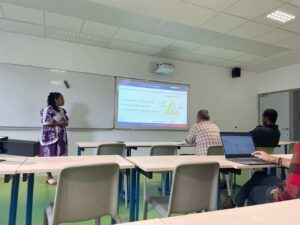
Ida Palene, agricultural engineer, presenting her research on the role of women in the circulation of knowledge.
Photo credits: Marie Baritaud.

How did the researchers work with local communities?

Through semi-structured interviews and participant observation, researchers worked alongside farmers to make visible the lived experiences of local communities facing climate change and to highlight the ways in which knowledge circulates.

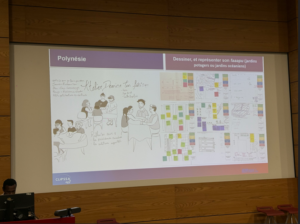
They organised participatory mapping workshops, during which participants spatialised cultivated areas exposed to various climate hazards. They also collaborated with schools, notably through drawing workshops that revealed the representations and knowledge of the younger generation.

@crédits photos Marie Baritaud 

The C Nature 2025 conference once again demonstrated the importance of combining local knowledge with academic research. Farmers experience the direct impacts of climate disruption and, on a daily basis, develop ways of forecasting weather conditions and adapting to them. Through trial and error, as well as success, they build a genuine culture of risk. By merging endogenous local knowledge with exogenous knowledge, adaptive strategies emerge that resonate more closely with those who work the land — and which deserve to be more fully integrated into public policy.

French Polynesia Symposium: Food and Culinary Tourism in Oceania


When food sovereignty becomes a lever for sustainable development

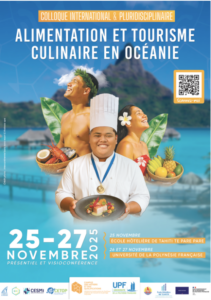
The international and multidisciplinary symposium dedicated to food and tourism in Oceania, jointly organised by the Pacific Campus for Hospitality and Catering Professions and Qualifications (CMQP), the Centre for Tourism Studies in Oceania-Pacific (CETOP), the Centre for Island Health Studies (CESMI) and the Centre for Island Governance and Development (GDI), in partnership with the University of French Polynesia (UPF), was held in Tahiti from 25 to 27 November 2025. This event was devoted to the issues of food sovereignty, tourism and catering.

Oceania has an exceptional wealth of food that is beneficial to health, but it also depends on imports of food products, some of which are processed, leading to diseases such as diabetes and obesity.

This symposium is part of a scientific, heritage and tourism initiative. As the promotion of local knowledge is one of the pillars of the CLIPSSA project’s action research, two members of our team, Fleur VALLET and Maya LECLERCQ, participated in this symposium in Papeete.


The Clim’en vers and Clim’à table projects, or the science of mediation

After presenting the main components of the project, the partners and the territories involved in CLIPSSA, Fleur introduced the audience to the Clim’en vers and Clim’à table projects. The focus was on the Clim’à table project, in line with the theme of the 2025 conference.

These initiatives have demonstrated the existence of different vectors for raising awareness of scientific mediation, which open up further options for popularisation (slam, gastronomy).

They show that popularisation is not just a matter of simplifying content, but above all of reinventing language. Slam, gastronomy, food, tourism and other cultural forms are powerful cognitive and emotional vectors. They mobilise attention, identification and engagement, three essential conditions for the circulation of knowledge.

This also demonstrates that understanding a concept and using specific or proposed intermediate means is a way of responding to and resisting the increasingly pressing climate challenges, as the example of faaapu shows us. The Clim’a table project and faaapu lay the foundations for a question: How can tomorrow’s food be a factor in resilience, development, innovation and adaptation in the face of climate change?


Faaapu: Resistance through subsistence.

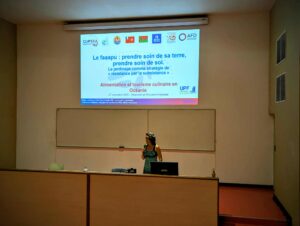
Maya presenting her research results on faaapu @ Fleur Vallet

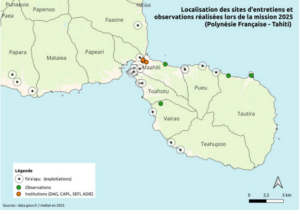
Vegetable gardens are called ‘faaapu’ in Tahiti and Moorea, and refer to a form of domestic agriculture. Faaapu generally occupy small plots of land, often close to homes, and their primary function is to reduce food expenses, promote healthy eating and increase self-sufficiency. This method of gardening generally does not use pesticides, and there are different ways in which knowledge is passed on between residents who cultivate their faapu. They are also laboratories for experimentation and hybridisation between knowledge and their environment, as most Oceanic people feel and experience it. Cultivating and feeding oneself, despite climatic and economic uncertainties, is a way of resisting, of sustaining oneself over time and therefore of existing.

Beyond the social, spiritual and economic dimensions of agriculture and fishing, food security is one of the foundations on which Oceanian culture is based. People farm and fish primarily to eat. Faaapu are therefore a pillar of local autonomy. They promote healthy eating, the transmission of traditional knowledge and experimentation with practices adapted to the current environment. In the face of climate change, these spaces are becoming places of innovation where ancestral knowledge is evolving. Food security thus appears to be a central factor in cultural continuity and mediation between traditions, adaptation and transmission.  They are being reinterpreted and enriched in the face of a new parameter: the climate challenge. Because for Oceanic peoples, to live is to resist.


Find our team’s presentations here